how the business strategy changed
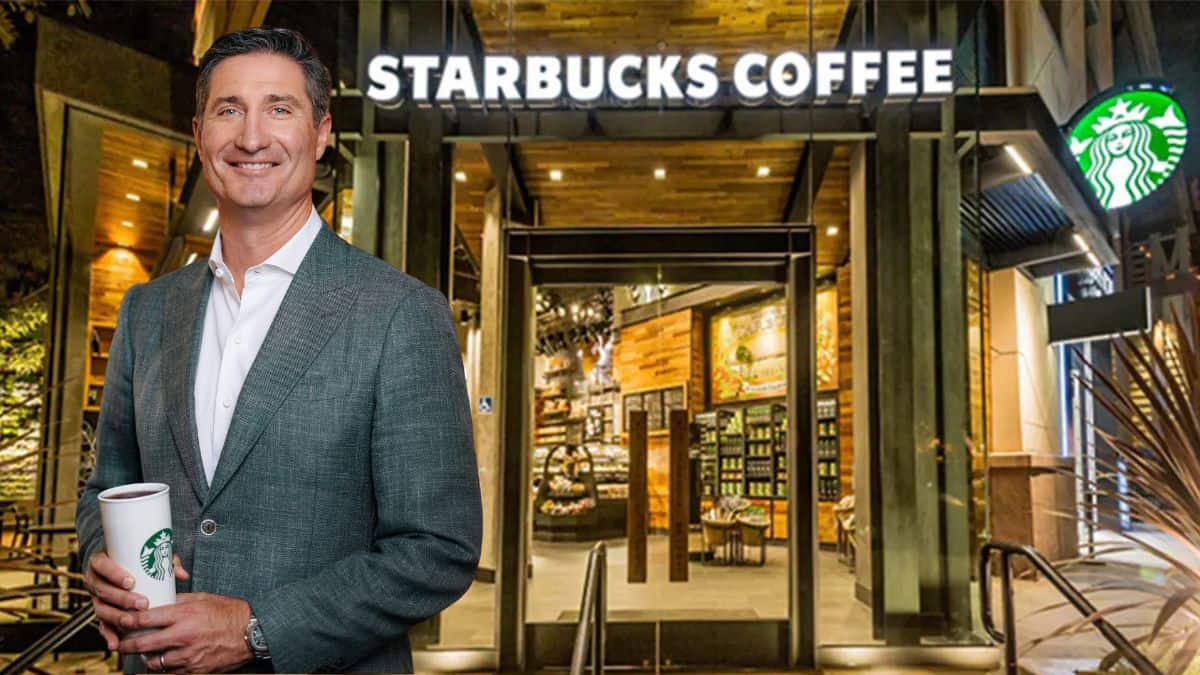
Since joining Starbucks in September 2024, Brian Niccol—widely recognized for leading Chipotle’s turnaround—has launched a deep transformation of the company’s business model. The new CEO rolled out the “Back to Starbucks” plan, aiming to reconnect with the brand’s original essence: high-quality coffee, personalized service, and spaces for human connection.
READ ALSO. What is the new Starbucks Rewards program like: benefits and how it works
“The strategic investments we are making to fix our operational foundations will take time to translate into sustainable earnings growth,” Niccol said during an investor conference call, acknowledging that the strategic shift is still underway.
How did Starbucks’ new strategy translate into its financial results?
During fiscal year 2025, Starbucks reported net revenues of $37.2 billion, representing a 3% increase year over year. The rebound was driven by the opening of new company-operated stores and the acquisition of 23.5 Degrees Topco Limited, its licensed partner in the United Kingdom.
However, profitability was impacted by the rollout of the new strategic approach. The consolidated GAAP operating margin contracted to 7.9%, a decline of 710 basis points compared to 2024, while earnings per share (EPS) fell 51%, to $1.63. Starbucks attributed the decline to restructuring costs, inflationary pressure, and higher labor expenses aimed at improving the in-store experience.
What role does the in-store experience play in Brian Niccol’s strategy?
Niccol has placed renewed emphasis on the coffeehouse experience as a cornerstone of the new operating model. Under his leadership, Starbucks:
- ⇒ Simplified its menu and introduced freshly baked food items,
- ⇒ Implemented tools such as Smart Queue and Green Dot Assist to optimize daily operations,
- ⇒ Launched innovative beverages, including protein-enhanced drinks and cold foam options,
- ⇒ Redesigned store spaces to feel warmer and more community-oriented,
- ⇒ And reintroduced handwritten messages on cups as a personalized gesture for customers.
The strategy is beginning to pay off: for the first time in eight quarters, Starbucks reported an increase in transactions across its U.S. stores. Additionally, the average ticket grew by 1%, driven by espresso-based and tea beverages.
What impact has this strategy had on international markets?
In China, Starbucks took a key step by selling operational control to Boyu Capital, aiming to better adapt to local market dynamics after years of underperformance. Early results are encouraging: sales in the region rose 7% in the most recent quarter, compared to 2% in the previous quarter.
Still, challenges remain. Margins continued to be pressured by coffee import tariffs, particularly those affecting beans from Brazil. Although the Donald Trump administration eliminated part of the tariffs, Starbucks noted that the effects persisted during the reported period, compressing margins by 290 basis points.
What are Starbucks’ expectations for fiscal year 2026?
Starbucks is projecting solid growth for 2026. The company expects global comparable store sales to increase by at least 3%, above previous market estimates that pointed to a 2.94% rise.
In terms of profitability, Starbucks forecasts adjusted EPS between $2.15 and $2.40, with the midpoint slightly below consensus expectations. The company anticipates that tariff-related pressure will ease in the second half of the year.
Looking ahead, Starbucks reaffirmed its commitment to profitable growth, a better experience for its partners (employees), and strengthening its coffeehouses as the community’s “third place.”
link