


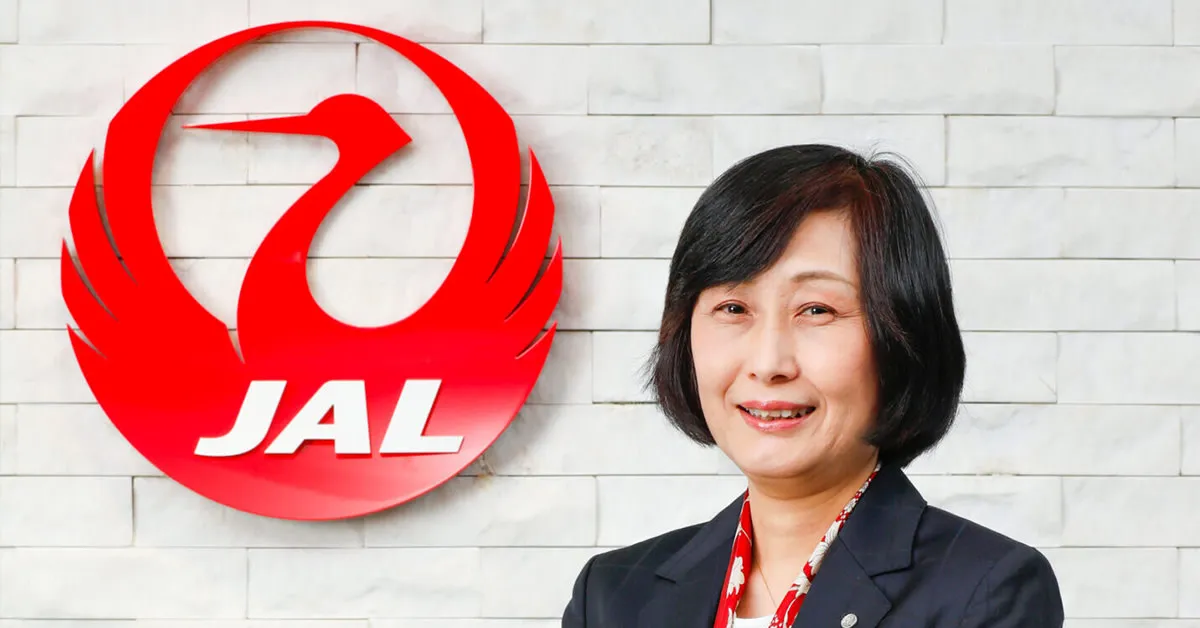
TOKYO- Japan Airlines (JL) remains one of Asia’s most recognisable full-service carriers, operating a vast domestic and international network from its hubs in Tokyo.
Alongside its core passenger business, the airline also plays a key role in cargo transport, aircraft maintenance, and group services. As Japan’s aviation market continues to stabilise after years of disruption, JAL enters 2026 focused on efficiency, safety, and long-term competitiveness.
Managing an airline of this scale requires disciplined leadership and a deep understanding of operations. The compensation of the chief executive reflects not only the size of the organisation, but also Japan’s unique corporate governance culture, which places strong emphasis on accountability and moderation.
Below is a detailed look at who Japan Airlines’ CEO is in 2026, how her compensation is structured, and what factors shape executive pay at one of Asia’s flagship airlines.


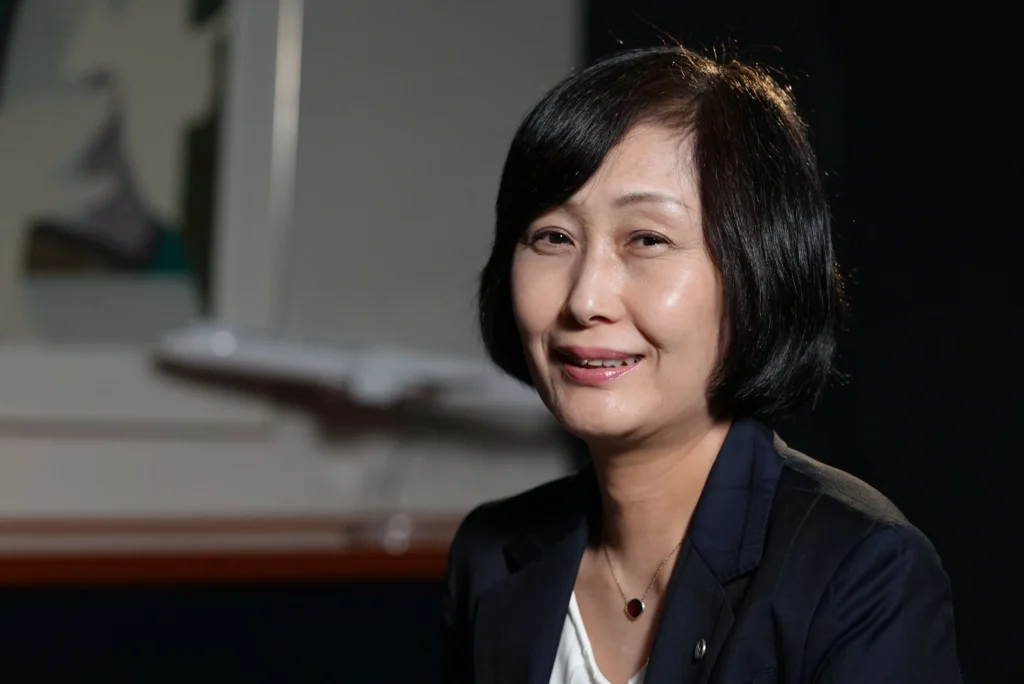
Who is Japan Airlines CEO Mitsuko Tottori?
Mitsuko Tottori serves as President and Chief Executive Officer of Japan Airlines in 2026, having taken office in 2024. Her appointment marked a historic milestone as she became the first woman to lead the airline in its long corporate history.
Born in Fukuoka Prefecture in 1964, Tottori joined the airline industry in the mid-1980s as a cabin crew member. Unlike many airline CEOs who come from finance or engineering backgrounds, her career developed primarily through customer service, safety, and operational roles. Over nearly four decades, she built a reputation for strong leadership on the front line of airline operations.
She gradually moved into management positions overseeing cabin safety, service standards, and employee training, before rising to senior executive roles within the company.
Before becoming CEO, Tottori was responsible for customer experience across the group, giving her direct influence over service quality and operational consistency.
By the time she assumed the top job, Tottori had spent most of her professional life inside the organisation. This long internal career path gives her deep institutional knowledge of JAL’s culture, labour structure, and operational priorities.
Her leadership style is often described as calm, methodical, and people-focused, with a strong emphasis on safety, discipline, and corporate responsibility.
ALSO READ: Virgin Atlantic CEO Salary in 2025


Japan Airlines CEO Salary and Compensation in 2026
Japan Airlines does not disclose CEO pay in the same detailed, headline-driven way common among US or European airlines. Instead, executive compensation is governed by shareholder-approved limits and structured around fixed remuneration, with far less emphasis on large bonuses or equity incentives.
For 2026, the maximum annual fixed remuneration approved for the representative director (CEO) remains approximately ¥240 million per year.
Converted into international terms, this equates to roughly:
- ¥240 million per year
- Approximately US$1.6–1.8 million, depending on exchange rates
This figure represents the upper legal cap, not a guaranteed payout. Actual compensation can be lower depending on board decisions, internal performance assessments, and extraordinary circumstances.
Unlike US airline CEOs who often receive multi-million-dollar stock awards and aggressive incentive payouts, JAL’s CEO compensation is largely salary-based, with limited performance-linked upside.
This structure reflects broader Japanese corporate norms, where executive pay is designed to be stable, predictable, and aligned with long-term responsibility rather than short-term financial gains.
ALSO READ: Singapore Airlines CEO Salary in 2025


Japan Airlines CEO Salary vs Global Competitors
When viewed internationally, Mitsuko Tottori’s compensation sits at the lower end of the global airline CEO spectrum.
In the United States, airline CEOs frequently earn total compensation packages exceeding US$10–20 million annually, driven by stock awards and performance bonuses. European airline chiefs typically fall somewhere in between, with total pay ranging from €4–8 million, depending on company size and results.
Japan Airlines, however, follows a different path. Executive pay is intentionally conservative, prioritising public accountability and internal equity over global benchmarking. The CEO’s salary reflects responsibility and seniority rather than aggressive, incentive-driven earnings.
This approach can make Japanese airline executives appear underpaid by global standards, but it remains consistent with shareholder expectations and national business culture.

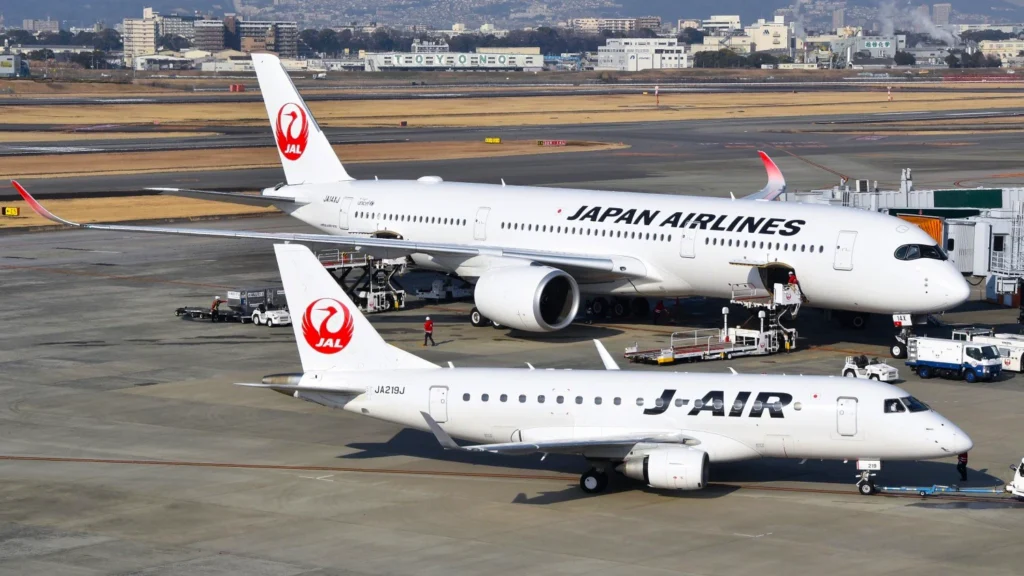
Japan Airlines’ Strategic Priorities for 2026
As Japan Airlines moves through 2026, several strategic priorities shape leadership evaluation and executive accountability.
Fleet modernisation remains central, with the continued introduction of fuel-efficient aircraft to replace older wide-body and narrow-body jets. These changes aim to reduce operating costs, lower emissions, and improve passenger comfort.
Operational reliability is another major focus. After facing scrutiny in earlier years, the airline has prioritised safety oversight, crew training, and compliance, particularly in flight operations. Strengthening internal controls and restoring public confidence remain key leadership objectives.
On the commercial side, JAL continues refining its international network, balancing long-haul routes with growing regional demand across Asia-Pacific markets. Partnerships and alliance cooperation also play an important role in maintaining global reach without excessive capacity risk.
Sustainability initiatives are expanding as well, including efforts to reduce carbon emissions, improve fuel efficiency, and explore sustainable aviation fuel options.
All these elements feed into how executive performance is assessed, even if they do not translate directly into large financial incentives.
ALSO READ: Japan Airlines Pilot Salary in 2026
Bottom Line
Mitsuko Tottori’s salary as CEO of Japan Airlines in 2026 reflects the airline’s scale, responsibilities, and Japan’s conservative approach to executive pay. With an annual remuneration cap of around ¥240 million, her compensation is modest by global airline standards but fully aligned with domestic governance norms.
Rather than rewarding short-term financial performance, JAL’s pay structure emphasises stability, accountability, and long-term stewardship of the airline. Temporary pay reductions, when required, reinforce public trust and demonstrate leadership responsibility.
In 2026, Tottori remains a symbol of continuity and cultural change at Japan Airlines, leading the carrier through a period of operational refinement and strategic focus, with compensation that mirrors Japan’s disciplined approach to corporate leadership.
Japan Airlines Salary FAQs
Mitsuko Tottori is the President and Chief Executive Officer of Japan Airlines in 2026. She assumed the role in 2024 and is the first woman to lead the airline.
The CEO’s annual fixed remuneration is capped at approximately ¥240 million, which is around US$1.6–1.8 million, depending on exchange rates.
Executive pay at Japan Airlines is primarily fixed-salary-based. Bonuses and equity incentives exist, but are limited compared to US and European airlines.
Stay tuned with us. Further, follow us on social media for the latest updates.
Join us on Telegram Group for the Latest Aviation Updates. Subsequently, follow us on Google News
link